
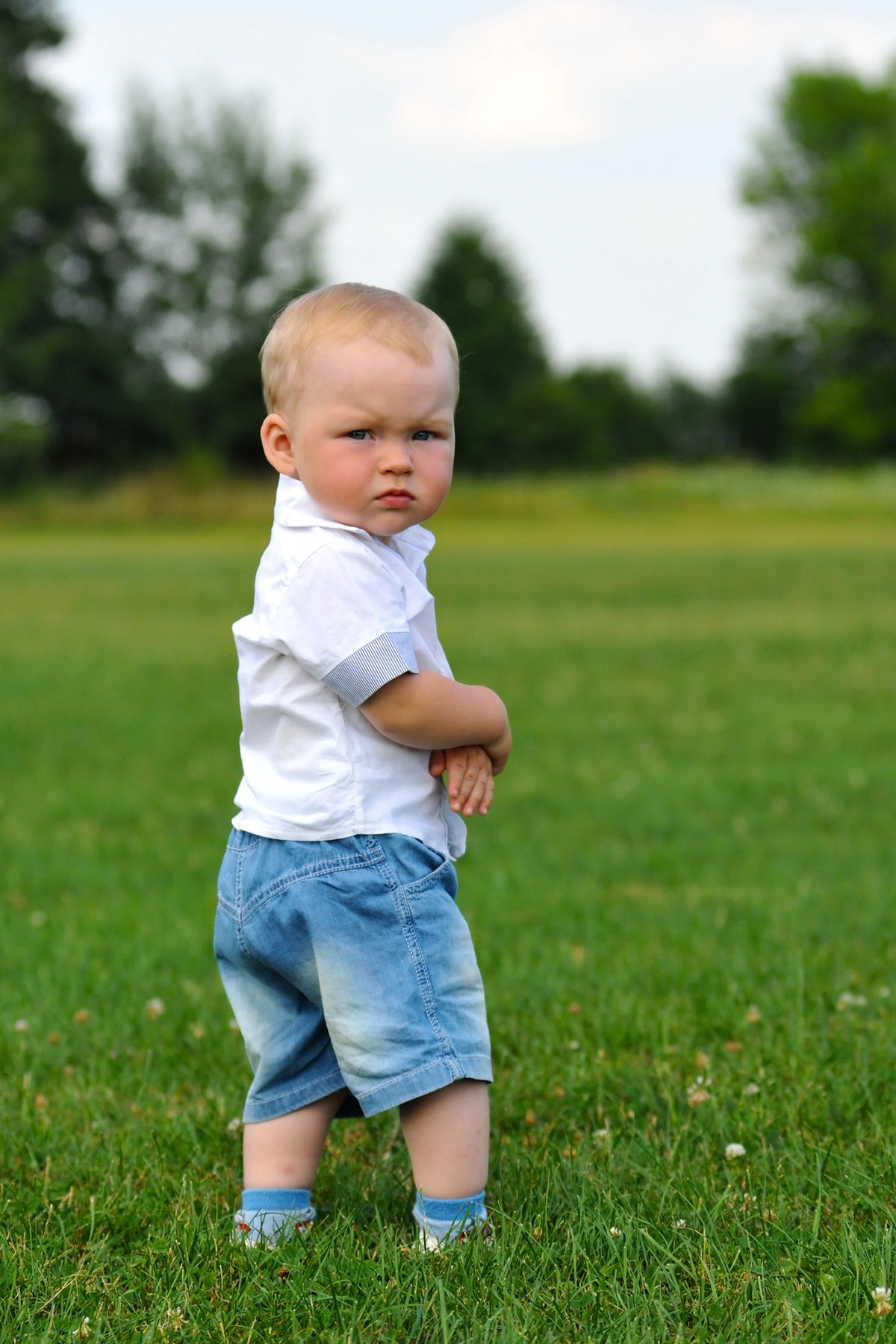
What You Need to Know About Terrible Twos in Babies
The period known as the “terrible twos” in infants is a phase that occurs between approximately 1.5 and 3 years of age. During this age range, babies have transitioned into childhood and have begun to define themselves as separate individuals. In doing so, they don’t consider concepts of right and wrong or logical and illogical. Children who prefer not to listen to what older people say choose to prove their existence by exhibiting behavior contrary to what is said.
What is Terrible Two?
By the age of 1.5, children have acquired many motor skills, which leads to emotional and social changes. Their vocabulary has developed, they understand the importance of following rules, and they become willing to perform many tasks independently.
However, during this period, some children may become angry when they cannot express their needs as they wish. As a result, children may exhibit aggressive behavior. This behavior is a typical characteristic of the terrible twos.
Children going through the terrible twos tend to exhibit defiant behavior towards their parents. This rebellious attitude, especially the tantrums and anger displayed by these children, can be extremely exhausting for many parents.
Developmental Stages in 2-Year-Old Babies
Development in two-year-old babies can be quite challenging in terms of social and cultural aspects. A child who reaches 1.5-2 years of age may not exhibit the compliant behavior they showed in infancy. Their children’s unruly and defiant behavior can be a major source of anxiety for families.
However, families have no reason to worry about this. Your child is in the process of discovering their own identity as an individual, and this is a healthy phase showing their progress towards gaining autonomy. During this period, your child will have a possessive attitude, wanting everything to be theirs, as well as desiring to dress and behave as they wish.
Parents who are quite exhausted by their child’s persistent behavior should accept this period as simply a transitional phase. Knowing that your child’s reactions are part of their developmental process will help you get through the terrible twos more easily.
What are the symptoms of Terrible Two?
These behavioral changes, known as the “terrible twos” in children, have many symptoms.
These are:
- Cry,
- Don’t be excessively stubborn,
- Don’t bang your head against the wall.
- Yell,
- Don’t become aggressive,
- Throwing the objects you are holding,
- Loss of appetite,
- These are behavioral traits such as possessiveness and an unwillingness to share.
Your child will often exhibit these behaviors when they feel misunderstood. In this case, it’s important for parents to avoid overprotective behavior, trust their children, and reflect that trust.
How should you treat a baby experiencing the Terrible Twos?
The terrible twos are a normal and healthy transitional phase for children. If your child is acting stubborn or getting angry, you should talk to them about it.
It’s especially important to explain to your child, in an age-appropriate way, why their requests aren’t reasonable and why you’re saying no. For example, you can show your trust by letting your child make choices. Offering your child options and doing what they choose will demonstrate your confidence in them.
You should try to answer your child’s questions as much as possible. A child whose questions are suppressed may develop insecurities and introversion later in life. Therefore, you must be patient and support their need to learn as much as you can.
If your child is going through the terrible twos, putting pressure on them is the wrong approach. You can help them overcome this phase easily by avoiding confrontation, offering reasonable explanations, and showing affection. Showing understanding will ensure this problem resolves quickly.
If your child’s aggressive behavior and anger persist despite your level of care and understanding, you may want to seek help from a child psychologist.