
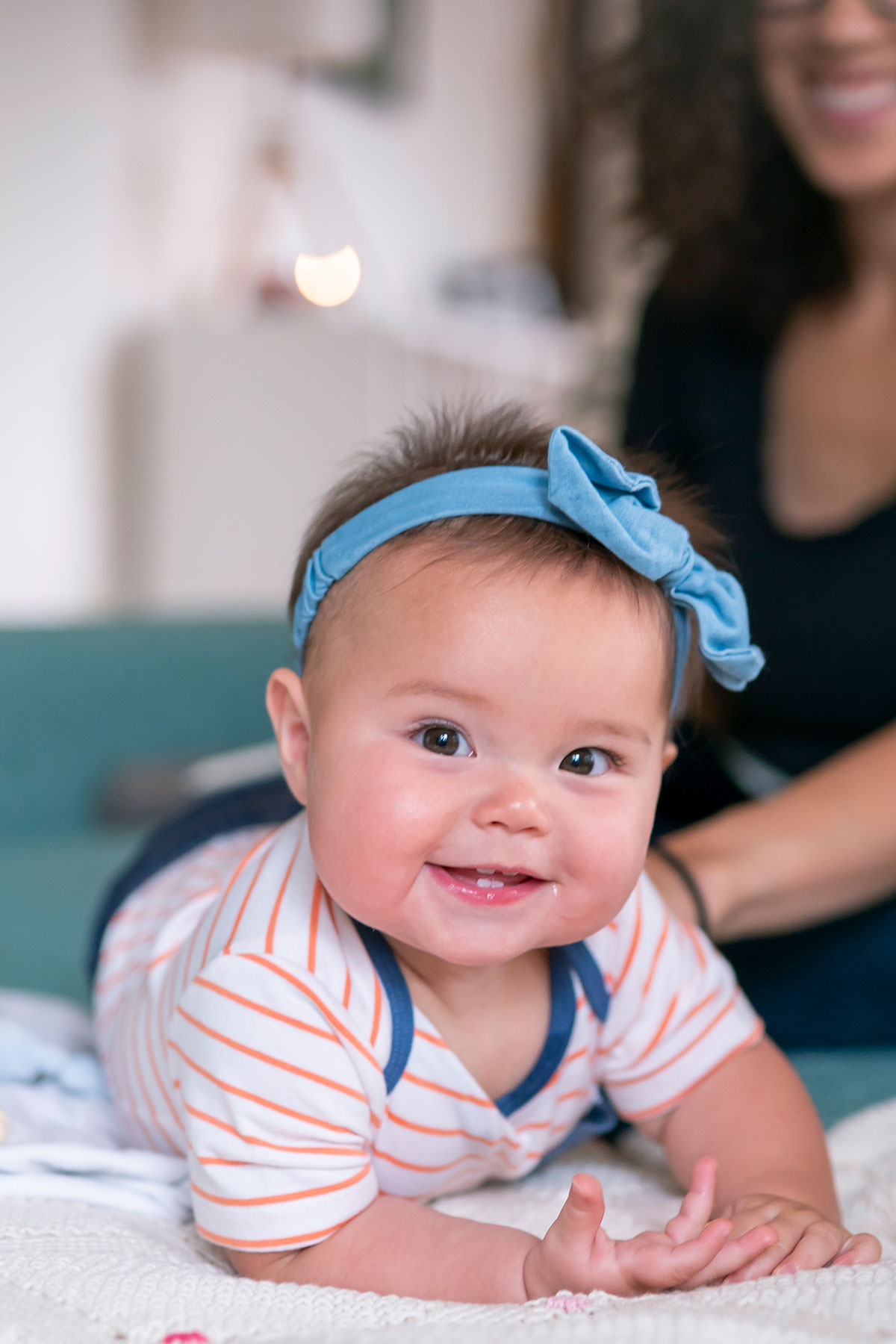
Teething Period in Babies
We know that when you think of teething, you picture your baby being restless, having a fever, and crying. While this may seem worrying, the symptoms during this period should actually be mild.
It’s difficult to give precise dates for when babies start teething. However, teething is generally expected to begin after the 7th month. This process continues until all 20 teeth have erupted, which is approximately until the baby is 3 years old.
The misconception that “teething causes high fever” is also incorrect. According to experts, babies teething do not typically have a fever above 37.5-38 degrees Celsius. If your baby has a fever or is restless, we recommend not ignoring the illness by attributing it to teething.
When a baby tooth emerges, teething pain intensifies and restlessness increases. This can last for weeks and is a normal symptom. Along with this pain, babies may not want to eat during teething. Experts recommend giving liquid, warm, or even cool foods like purees to ensure proper nutrition during this period. You can soothe your baby by giving them teething toys or, if you prefer a natural option, suitable pieces of fruits and vegetables.
Restlessness, rash around the mouth, vomiting, constipation, and diarrhea may occur during teething. However, these symptoms should be mild; if you experience them severely, we recommend consulting your doctor, as these symptoms may not be related to teething.
As teeth erupt, dental hygiene naturally becomes more important. This care, which should begin with finger toothbrushes, should continue with appropriate toothpaste when the child turns one year old.
The order in which baby teeth, 10 in the lower jaw and 10 in the upper jaw, erupt is as follows:
- lower front two teeth
- Upper front two incisors
- Upper lateral teeth
- Lower lateral teeth
- Premolars
- Canine teeth
- large molars